Intro to Photosynthesis
What is Photosynthesis?
Photosynthesis is an essential process in our ecosystem. All energy enters into our biosphere by the process of photosynthesis. Without this flow of energy from the sun, the pace of life on this planet would swiftly diminish and then virtually cease.
Below is the formula for photosynthetic reactions:
6CO2 + 6H2O —>
C6H12O6 + 6O2
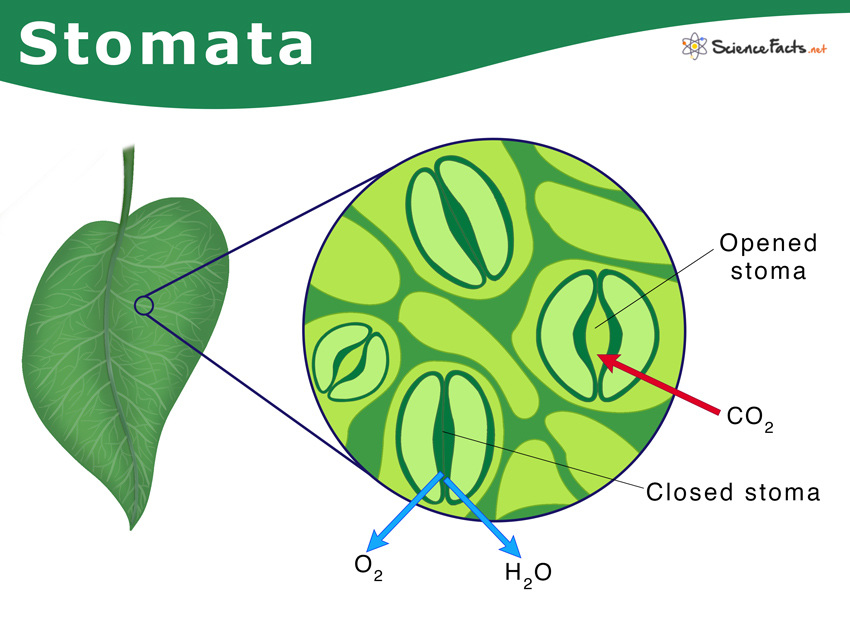
Photoautotrophs absorb light and use the energy obtained to produce sugars and oxygen. The sugars are sent to different parts of the plant such as the stem, leaves, flower, seed, fruit, and roots. These sugars are essential as they provide an energy source that helps the plant to grow. The oxygen is released from the plant through tiny pores on the leaves of plants known as stomata. These pores represent the site of gaseous exchange through which carbon dioxide enters the leaf and through which oxygen exits the leaf after photosynthesis.

Titbit: More than 250 billion metric tons of sugar are produced worldwide by the photosynthetic organisms annually.
For more information on photosynthesis, feel free to watch the video below.
?
References
Khan Academy. (2015). Intro to Photosynthesis. Khan Academy.
https://www.khanacademy.org/science/ap-biology/cellular-energetics/photosynthesis/a/intro-to-photosynthesis
Science and Technology
Concepts Middle School. (2018, March 27). What is Photosynthesis.
Smithsonian Science Education Center; Smithsonian Science Education Center.
https://ssec.si.edu/stemvisions-blog/what-photosynthesis


On the underside of the leaf i think and there are two stages. The light stage and the dark stage
ReplyDelete1) You can find them on the epidermises of the leaves
ReplyDelete2) Light and Dark stage
The stomata are located in the epidermeral layer on the underside of the leaves.
ReplyDeleteThere are two stages of photosynthesis: the light stage (light dependent) and dark stage (light independent)