Photosynthesis: Affecting Factors
What are the factors affecting the process of Photosynthesis?
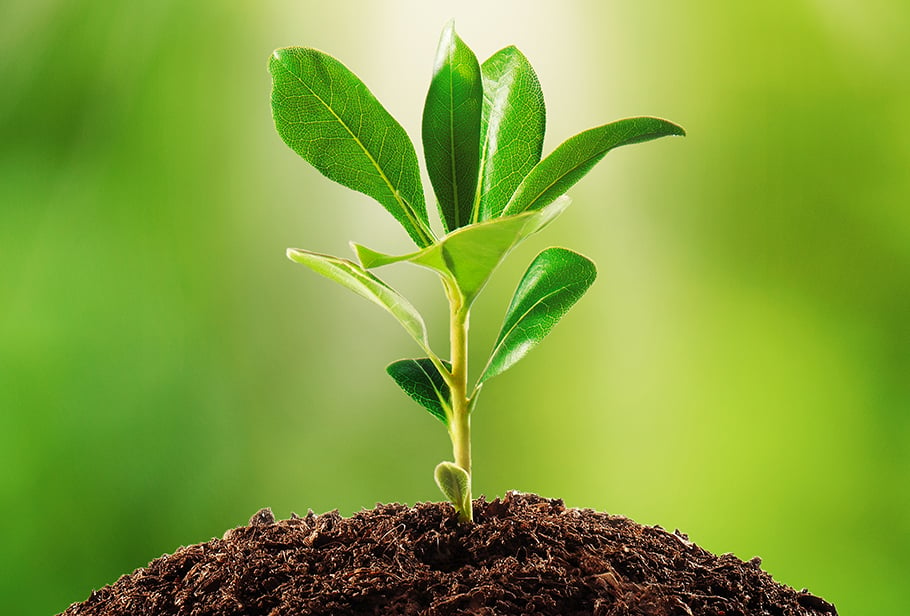
Light Intensity:
The higher the intensity of the light, the higher the rate of photosynthesis. And vice versa, as low light intensity results in a lower rate of photosynthesis. Leaves usually have a large surface area in order to capture as much sunlight as possible. A waxy layer can be found on its surface to protect it from environmental damage such as the weather, evaporation, etc. Below this upper layer is the palisade layer that contains numerous chloroplasts in order to absorb the sunlight.

The Concentration of Carbon Dioxide:
As with light intensity, a higher concentration of carbon dioxide increases the rate of photosynthesis. A carbon dioxide concentration of 300 – 400 PPM is suitable for photosynthesis.
Carbon dioxide enters the plant via diffusion
through tiny pores called stomata. These pores are found on the underside of
leaves. The size of each stoma is controlled by the guard cells which regulate the
opening and closing of the pores. This aids in ensuring too much water is not
lost from the leaves in hot, dry and windy conditions.
Temperature:
As temperature increases, the rate of photosynthesis also increases. At high temperatures, however, the rate of photosynthesis decreases as enzymes are denatured. A temperature range between 25° to 35° C is optimal for photosynthesis.
Water:
Water is a crucial part of photosynthesis. If insufficient water is in the plant, it could result in problems intaking carbon dioxide. This could also result in the stomata remaining closed in order to conserve and retain the water stored inside.
Water for photosynthesis is obtained through the roots and transported to the leaves through tubes. Root hair cells provide a large surface area for water absorption into the plant.
?
Why is photosynthesis so important to the environment?
Do you know why leaves are thin?
References
BYJU'S. (2018, January 11). Photosynthesis. BYJUS; Byju’s. https://byjus.com/biology/photosynthesis/

The leaves are thin because they provide a short distance for carbon dioxide to move by diffusion into the leaf.
ReplyDeletePhotosynthesis gives us oxygen which is important because it is needed by living organisms to respire.